
Net Metering in Telangana Explained: How to Get Paid for Extra Solar Power
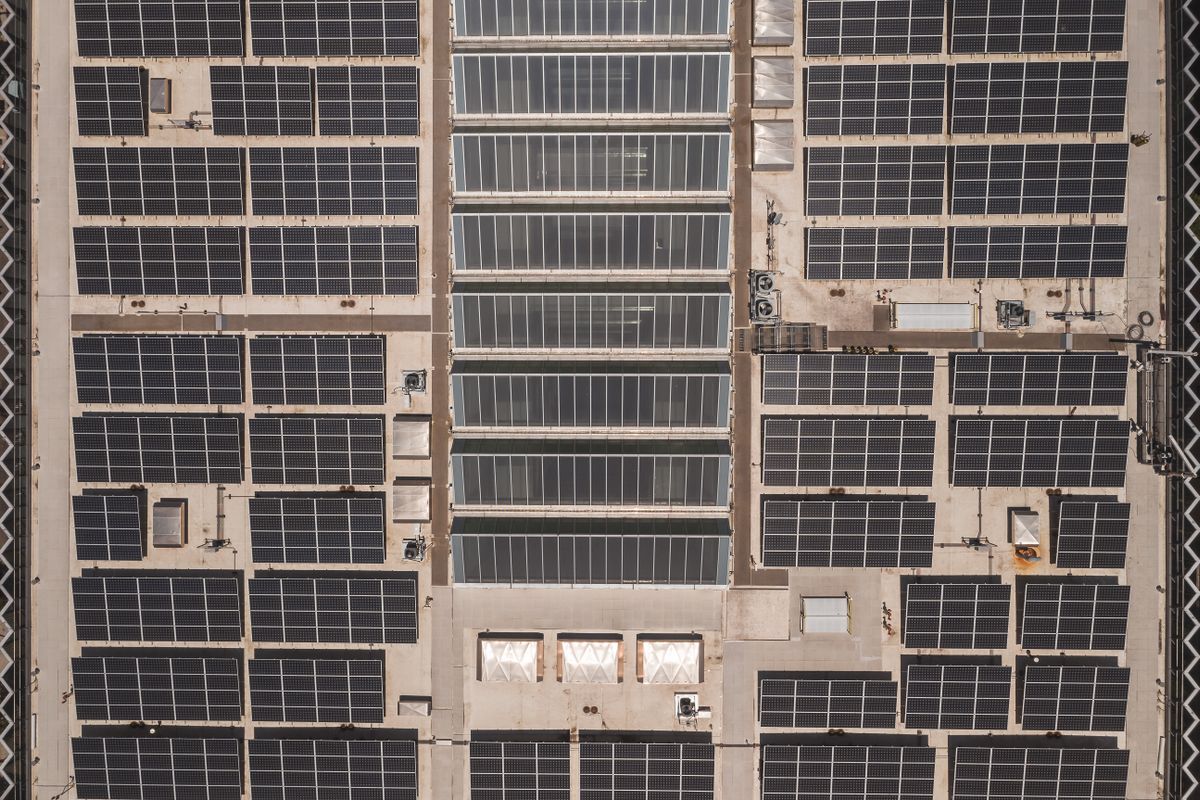
Net metering is the single feature that makes grid-tied rooftop solar so financially attractive in Telangana — but it's also one of the most misunderstood parts of going solar. Here's how it actually works.
The basic idea
During the day, your solar panels often generate more electricity than your home is using at that exact moment — especially around midday. Rather than that extra power going to waste, net metering allows it to flow back into the TSSPDCL grid. Your electricity meter is replaced with a bi-directional net meter that tracks both the power you draw from the grid and the power you send back.
How your bill is calculated
At the end of each billing cycle, TSSPDCL nets off the units you exported against the units you imported. If you exported more than you imported over the cycle, that surplus typically carries forward as a credit; if you drew more than you exported, you're billed for the difference at the applicable tariff. This is why homes with substantial daytime power usage — pumps, ACs, work-from-home setups — often see the fastest payback, since more of their solar generation offsets consumption directly rather than being exported.
Getting your net meter installed
The net metering process runs alongside your solar installation and involves an application to TSSPDCL, a technical feasibility review, and a physical meter swap once your system passes inspection. Applications with complete, accurate documentation move through this process considerably faster — which is one of the main reasons we handle this paperwork directly for our clients rather than leaving it to them.
Common questions we hear
- "Can I install net metering after my system is already running?" Yes, though it's more efficient to apply for it as part of your original installation.
- "Does net metering work for commercial properties too?" Yes, though commercial and industrial connections sometimes follow slightly different tariff and capacity rules than residential ones.
- "What happens if I generate far more than I use?" Export credits typically carry forward, though specific carry-forward and settlement rules are worth confirming for your exact connection category at the time of application.
Net metering is what turns a rooftop solar system from "power for your own use" into "a genuine offset against your entire electricity bill."
Why this matters when sizing your system
Because net metering lets you export surplus power rather than losing it, we typically recommend sizing residential systems based on your annual consumption rather than just your daytime load — it gets you closer to a fully offset electricity bill across the year, including the months where your usage is naturally higher.
If you'd like a clearer picture of how net metering would apply to your specific TSSPDCL connection, our team is happy to walk through your last few bills with you as part of a free site assessment.