
Solar Water Heater Installation in Hyderabad & Telangana
Solar thermal is the fastest-paying solar investment in Telangana — a domestic water heater usually recovers its cost in two to three years by replacing an electric geyser entirely for nine months of the year.
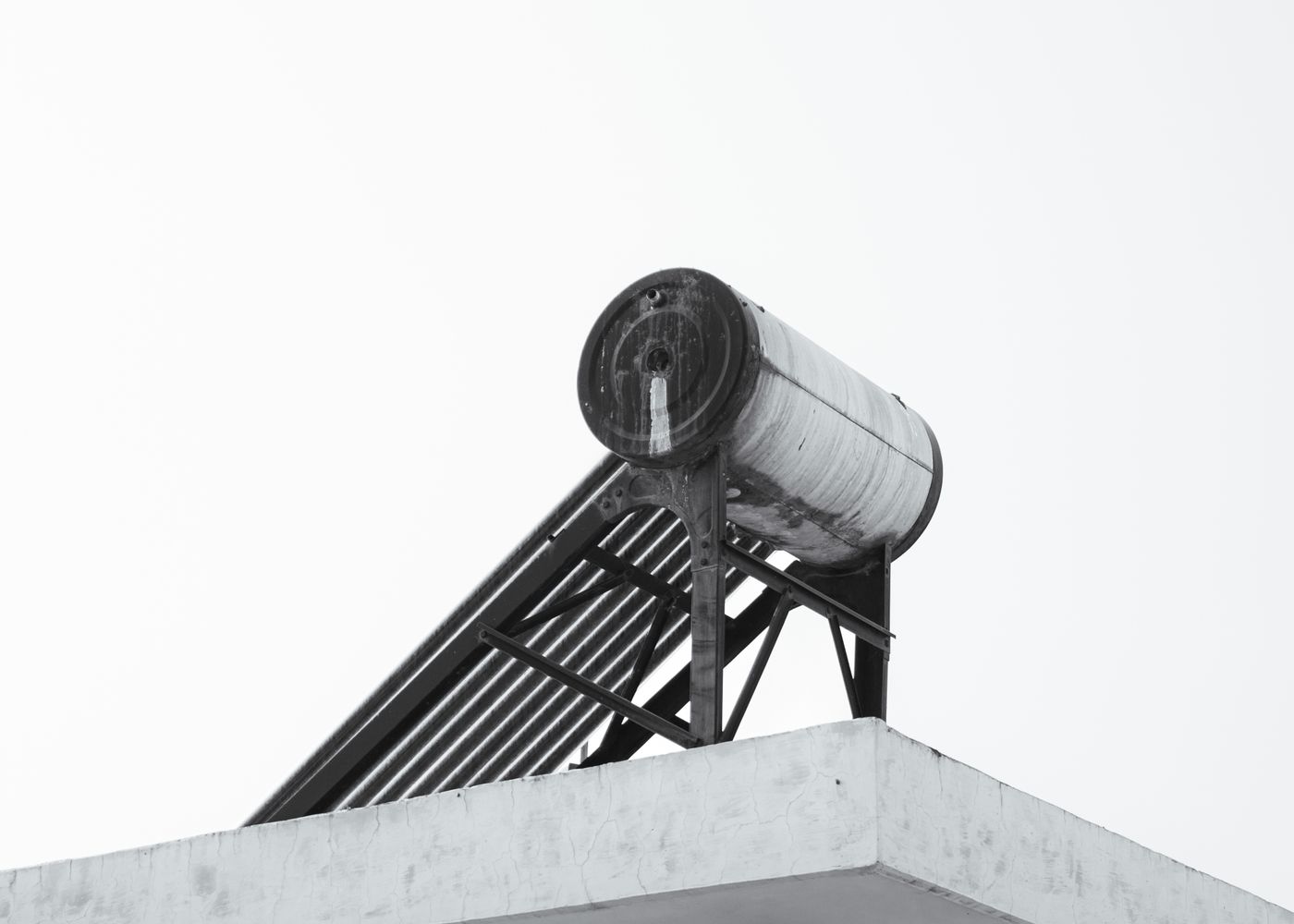
Eagle Solar Systems supplies and installs ETC and FPC solar water heating systems from 100 LPD for a single home up to 55,000 LPD for gated communities and colleges. In Hyderabad conditions a 100 LPD domestic system typically saves 1,300–1,600 units of electricity a year against an electric geyser, and pays back its cost in roughly two to three years.
Everything we handle for you
High-performance ETC and FPC solar water heaters for apartments, colleges, hotels and hospitals, from 100 to 55,000 LPD capacity.
What the service covers
Load assessment
We calculate hot water demand from occupancy, bathrooms and usage pattern instead of selling you a standard-size tank.
ETC systems
Evacuated tube collectors, the best value for domestic and hostel use, efficient in Hyderabad's winter mornings and simple to service tube by tube.
FPC systems
Flat plate collectors with hard-water tolerance and higher durability, preferred for hotels, hospitals and industrial process heating.
Pressurised & heat-exchanger models
For apartments with overhead pressure limits or bore water with high TDS, so your shower pressure and the tank both survive.
Plumbing integration
Cold feed, hot line insulation, air vent, non-return valves and electrical backup heater wiring integrated with existing plumbing.
Large-community design
Manifold-connected banks, buffer tanks and circulation pumps for 5,000–55,000 LPD projects like Aparna Palm Meadows and Rajpushpa Properties.
Our six-step process
- 01
Demand study
Occupancy, bathroom count and peak-hour usage decide LPD, not guesswork.
- 02
Collector choice
ETC or FPC, pressurised or non-pressurised, based on water quality and roof pressure.
- 03
Structure & placement
South-facing tilt, clear of shadows, with service access for future cleaning.
- 04
Plumbing & insulation
Insulated hot lines to minimise heat loss between roof and bathroom.
- 05
Backup & controls
Electric backup element and thermostat for cloudy monsoon days.
- 06
Handover & AMC
Usage briefing, descaling schedule and an optional annual maintenance contract.
Sizing & options at a glance
| Capacity | Suited to | Approx. daily hot water | Typical users |
|---|---|---|---|
| 100 LPD | Small family | 100 litres at 60°C | 2–3 people |
| 200 LPD | Independent house | 200 litres | 4–6 people |
| 300 LPD | Villa | 300 litres | 6–8 people |
| 1,000–3,000 LPD | Hotel, hostel, small college | Up to 3,000 litres | 40–150 people |
| 9,000–12,000 LPD | College campus, large hostel | Up to 12,000 litres | 300–500 people |
| 33,000–55,000 LPD | Gated villa community | Central or per-villa banks | 55–110 villas |
LPD means litres per day at usable temperature. Real capacity depends on inlet water temperature, collector orientation and how much of the tank is drawn during the morning peak.
Solar Water Heating across Hyderabad, Telangana & AP
Click your area for local details, DISCOM information and nearby projects.
Request a quote for Solar Water Heating
Share a few details and our team will call you back with a written estimate, expected generation and payback.
- Free site survey across Hyderabad, Telangana & AP
- Written, itemised quote with no obligation
- Subsidy and net metering handled by us
Solar Water Heating — common questions
Is a solar water heater better than an electric geyser in Hyderabad?
For most households, yes. Hyderabad gets sunshine for the large majority of the year, so a correctly sized solar water heater covers hot water needs on its own for roughly nine months and only needs the electric backup element on heavily overcast monsoon days. The system typically pays back its cost in two to three years and then keeps saving for another fifteen.
What is the difference between ETC and FPC systems?
ETC uses evacuated glass tubes: cheaper, better in cool mornings, and easy to replace tube by tube, but the glass is vulnerable to hail and very hard water scaling. FPC uses an insulated flat plate with copper risers: costlier, more robust, and better for hard water and commercial loads. We recommend based on your water quality and use pattern, not on margin.
Will it work with hard bore water?
Yes, with the right configuration. High-TDS bore water scales collectors over time, so for hard-water areas we specify FPC or a heat-exchanger system where the potable water never passes through the collectors, plus a descaling schedule under AMC. Ignoring water quality is the single most common reason solar water heaters underperform after two years.
Do you install for apartments and gated communities?
Yes. We have delivered 33,000 LPD across 110 villas at Aparna Palm Meadows in Kompally, 55,000 LPD for Rajpushpa Properties and 12,000 LPD at BVRIT Institute, Bachupally. For communities we design per-villa units or central banks with buffer storage depending on plumbing layout and association preference.