
Solar Water Heaters vs Electric Geysers: Which Saves More in Telangana Summers?
Water heating is one of the most overlooked line items on a household electricity bill — and in a state with as much sunshine as Telangana, it's also one of the easiest to solve with solar. Here's how solar water heaters actually compare to electric geysers once you look past the sticker price.
Running costs: the real difference
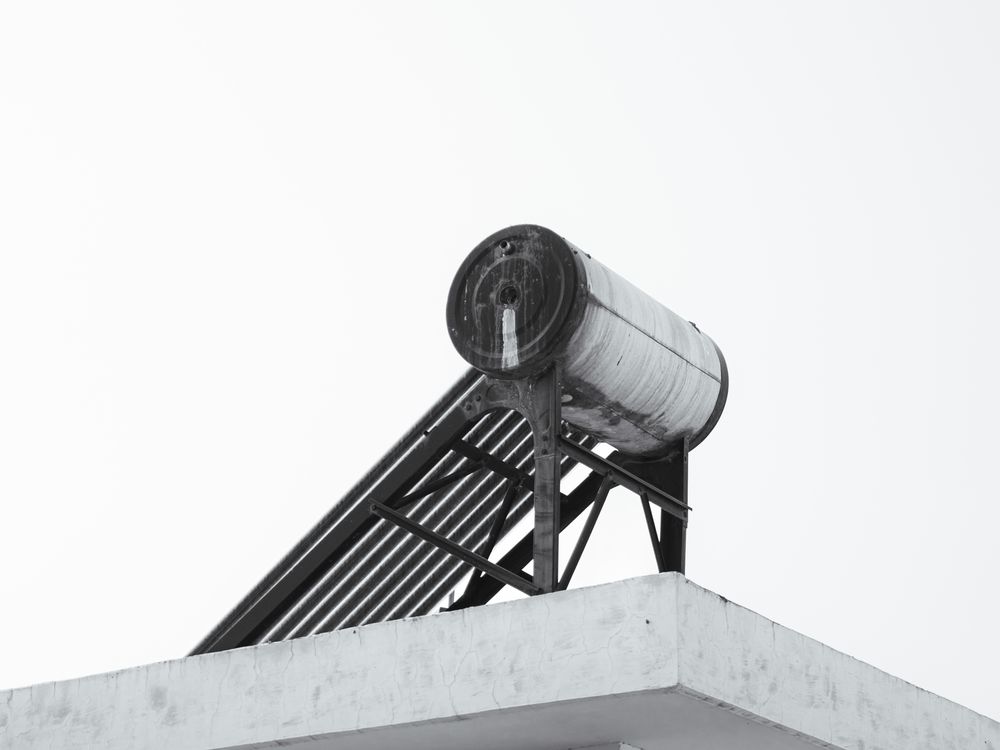
An electric geyser draws roughly 1.5–2 kW every time it runs, and with a family of four using hot water daily, that adds up to a noticeable chunk of your monthly TSSPDCL bill — especially once you factor in colder months when the geyser runs longer. A solar water heater, once installed, uses the sun to heat water for free. On most days in Telangana, an ETC (evacuated tube collector) system will heat water to a comfortable temperature even without backup power.
Upfront cost vs long-term savings
Yes, a solar water heater costs more upfront than an electric geyser. But because it eliminates (or drastically reduces) a recurring electricity cost, most households recover that difference within 2–4 years. After that, hot water is essentially free for the 15+ year lifespan of a well-maintained system.
ETC vs FPC: which type suits your home?
- ETC (Evacuated Tube Collector) — more affordable, performs well even on cloudy days, and is the more common choice for residential rooftops in Hyderabad.
- FPC (Flat Plate Collector) — more durable in hard-water areas and better suited to larger commercial installations like hostels and hotels, where consistent daily demand justifies the higher upfront cost.
What about backup on cloudy or rainy days?
Every solar water heater we install includes an electric backup heating element as standard, so hot water is never dependent on weather. The backup only kicks in occasionally, which is why households still see dramatic savings compared to running a geyser daily.
Scaling up for apartments and institutions
We've installed systems ranging from a single 100 LPD unit for a small home to a 55,000 LPD system for a 55-villa community, and 33,000 LPD across 110 villas at Aparna Palm Meadows. For colleges, hostels and hotels with predictable daily hot water demand, the payback period is often even faster than for individual homes.
Water heating can account for a large share of a household's electricity use in cooler months — switching to solar is often the single highest-impact change you can make to your bill.
If you're deciding between a geyser replacement or a fresh solar water heating installation, our team can walk you through system sizing based on your household size and rooftop space — get in touch for a free consultation.